
Property Types We Roof
Warehouse Roofing in Federal Way, WA
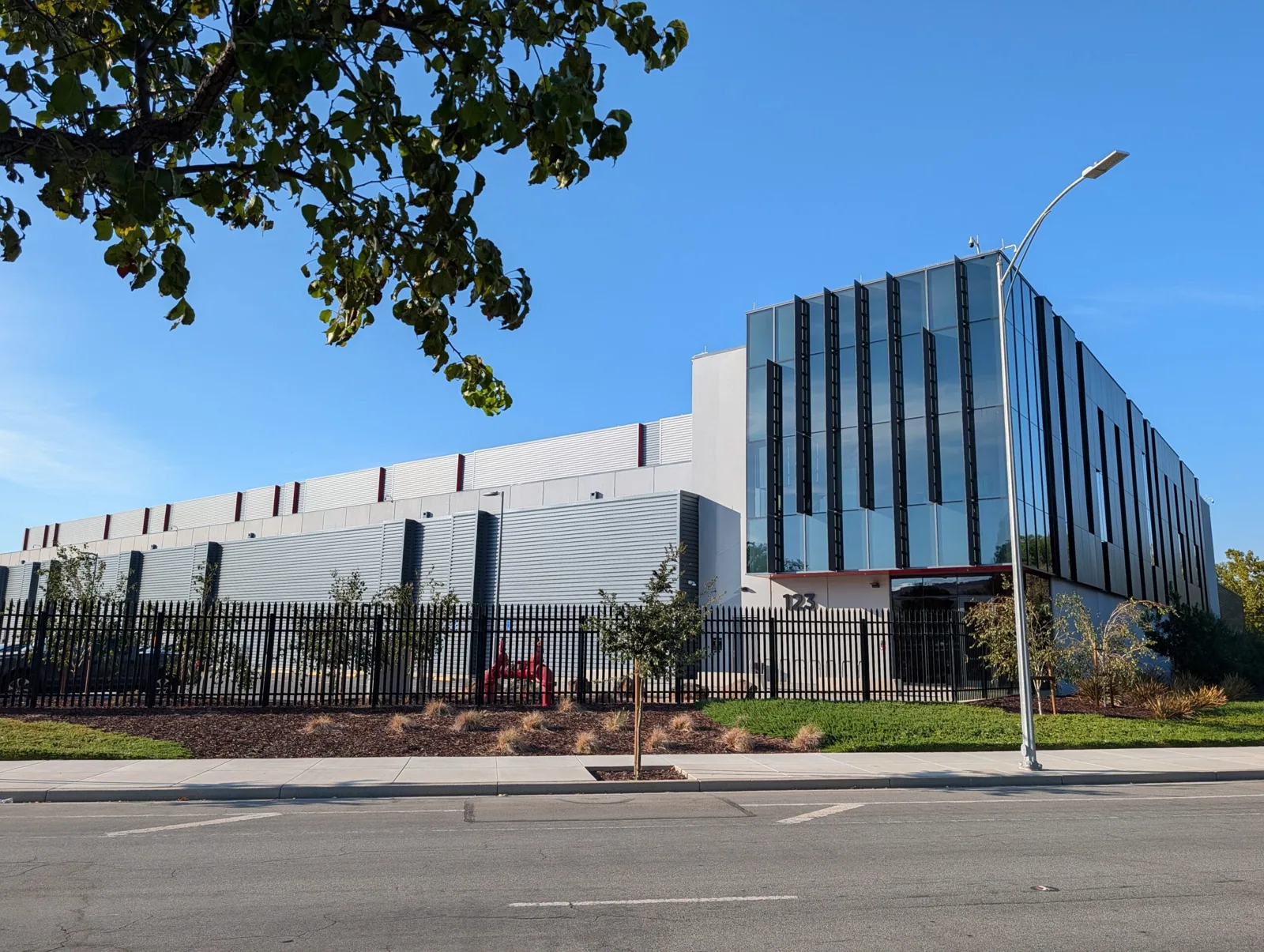
On a warehouse job in Federal Way, WA, the superintendent walks the dock side of the roof first, because that is where forklifts, trailers and the receiving schedule meet the work. He marks where the hatch is, where the lay-down yard can sit without blocking a truck court, and which bays hold goods that cannot get wet. Only after that does he look at membrane and seams.
A warehouse roof is one large, simple surface with a handful of details that decide how it performs: drains, rooftop units, skylights and the wall tie-ins. Tear-off limits and dry-in follow those details and the building's operating hours, and the price comes after. The plan fits the stored product as much as the roof.
What does the first walk of a warehouse deck turn up?
We start with core cuts in a grid across the field and extra cuts at drains, low corners and under rooftop units. Each core shows the layers, the insulation condition and whether the deck below is steel, concrete or wood. A fastener pull test on the attachment already in place shows whether a recover is realistic or tear-off is the safer plan.
Then we look at what a big roof does badly. Long seam runs open where the membrane moved; ponded areas leave dirt rings that mark a low spot before a leak does. Drains and scuppers get cleaned and checked on the same visit. The result is a marked-up roof plan the owner and the warehouse manager can read before anyone talks about price. A roof that has been recovered once is flagged right away, since the layer count and the weight on the deck change what the next scope can be.
Where do trucks, cranes and material sit while the roof is open?
Warehouse layouts follow truck movement, so staging gets planned before the schedule does. A crane pick needs a clear footprint away from the dock apron, and a lay-down yard needs a spot that does not take trailer positions out of service. A new Woodbridge industrial building on the former Weyerhaeuser campus and an older warehouse in the Kent Valley, Auburn or Fife can have very different yards, so we measure each one.
We agree on the route with the facility manager: where the delivery truck enters, where the crane stands, how the crew reaches the roof and what gets fenced off. If a bay has to stay in use, we keep the crew and the material on the opposite side of the building from it. Material arrives in the order the dry-in needs it, not all at once, so the lay-down yard holds a few days of product instead of the whole job and the truck court stays usable.
How do you keep stored goods dry during a tear-off?
The rule on site is simple: nothing is left open when the crew leaves that we cannot seal. The tear-off area for any one day is limited to what the crew can strip, insulate, install and seal before quitting time. When weather turns, the crew leader checks a temporary seal along the edge of the open area before the crew goes home each day.
Rain makes this the main constraint. Auburn, in the Green River corridor, gets 37.1 inches of precipitation in a year, with the peak in November at 6.1 inches and December at 5.8 and the low in July at 0.9. A warehouse reroof planned for July moves faster, and a roof that cannot wait gets the same rules in January. We schedule the bays above sensitive product on a dry window and hold back others if the forecast shifts, and we leave a recover option on the table when the old roof is dry enough.
Which details fail on a big flat roof, and how are they tied in?
Rooftop equipment curbs, skylights and pipe penetrations and the wall termination take most of the leaks on warehouse roofs. Each gets its own flashing detail, and each tie-in between new and old membrane is drawn on the plan before work starts. Edges get special attention: the perimeter metal is fastened to the wall and nailer so the edge holds up in a high-wind day, because wind finds the edges first.
The roof system matters here. A single-ply such as TPO roofing is common for large low-slope roofs because the seams are welded and the sheets come wide. Drains are checked against the slope, and a drain that sits high gets reset so water leaves the field. If the scope is a drain or scupper correction, it comes first.
Can a warehouse keep running during the reroof?
Usually yes. The work window is built from the dock schedule. Noisy steps such as tear-off and fastening happen when shifts are lighter, and the crew stays clear of bays with open doors and loading. A spotter, barricades and fall protection at the edge keep the dock apron clear of overhead work.
Interior protection matters in a building with racked goods, and the manager tells us which aisles to cover first. We confirm with the manager which aisles sit under the work and whether product needs tarps or relocation. Fire-lane access, sprinkler heads and exit routes stay clear. Any hot work has a permit and a watch assigned. When the building sits in a larger industrial park, such as the Woodbridge area of Federal Way West Campus, we also coordinate with the landlord's contact.
What comes with the closeout walk?
Your superintendent or the facility manager joins us for the closeout walk. Seams, curbs, drains and edges are all walked, and the punch list gets written up on the roof, not back at the office. Layer photographs, core and pull-test locations, product data and warranty paperwork all go into the file.
After the walk, the file includes the roof plan showing each repair and the date. Warehouses in Auburn, Fife and the Kent Valley that share ownership can use the same format. A distribution center roof and a flex industrial roof follow the same sequence with different staging.
Commercial Roofing Questions
Should we recover our warehouse roof or tear it off?
Cores settle it, because a dry layer and a sound deck let a recover cost less and keep the building covered the whole time. Wet insulation across a large share of the field, or two roofs already stacked, makes tear-off the right plan. We bring the core results to the walkthrough with a marked roof plan.
How do you protect inventory during a reroof?
We size each day's open area to what can be sealed by evening, tarp or relocate goods under active bays and keep a temporary seal ready. The manager tells us which aisles hold the most sensitive product, and those bays are scheduled in dry weather.
Can the roof work happen while trucks are loading?
Yes, with a staging plan. We keep the crane and lay-down yard away from the truck court, fence the dock apron and set a spotter at the edge. Loud steps move to the lighter shifts.
What does the warranty paperwork cover after the closeout walk?
The file lists the membrane, insulation, cover board and fasteners installed, with photographs and the manufacturer's documents. Warranty terms come from the manufacturer's specification for the system, and we submit the required forms so the record matches what was built.
How soon can a leak in one bay be sealed?
A temporary seal can go on the same day we find the entry point. The permanent repair is scheduled once the area is dry and the crew has the right material for the membrane in place.
Send the roof plan and dock schedule
Send the roof plan, the dock and shift schedule, and the bays that hold sensitive goods. We will walk the sequence, staging and tie-ins with your superintendent before a number goes on paper.