
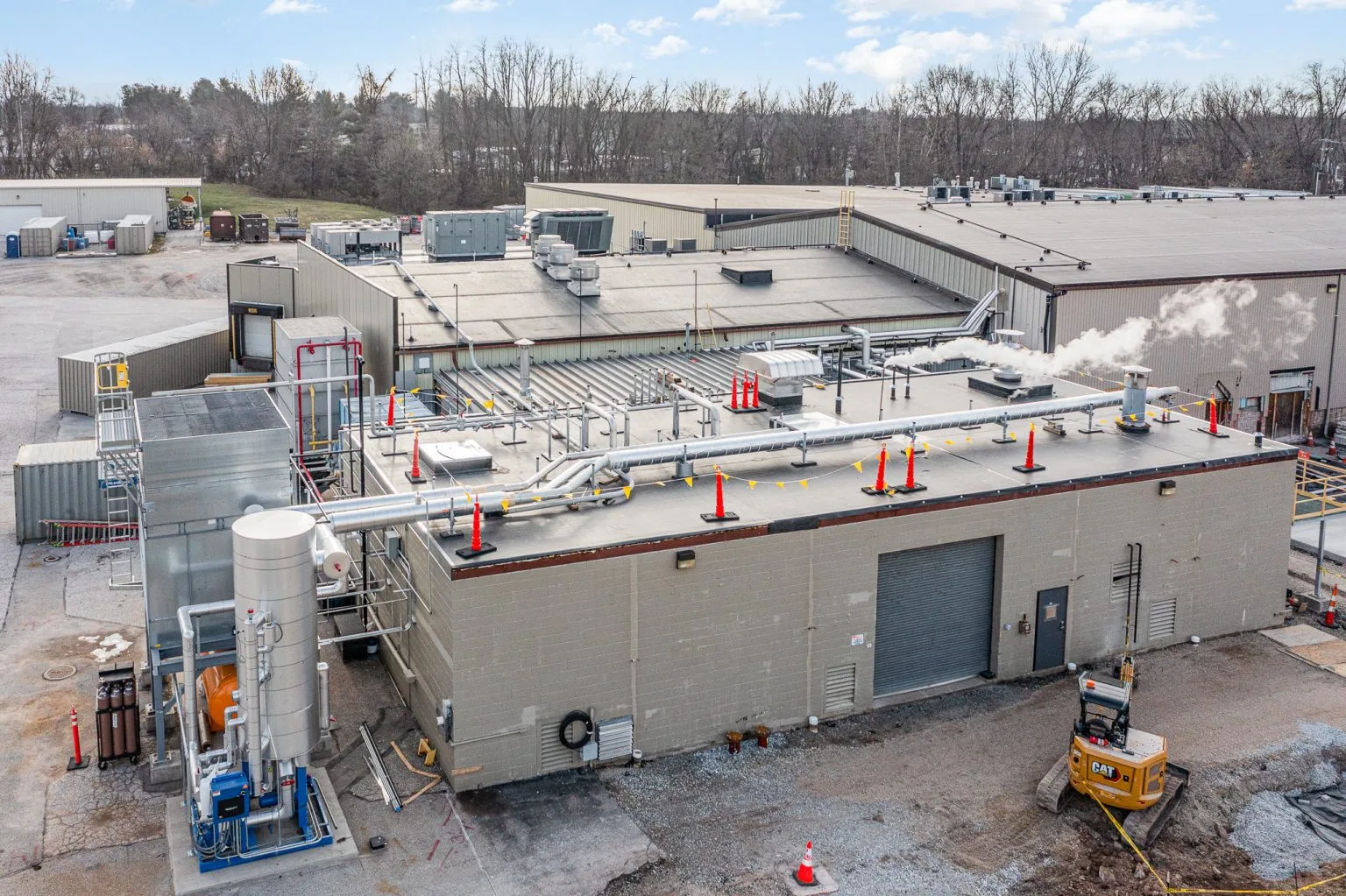
Roofing Capabilities
Roof Condition Reports in Federal Way, WA
The first photograph in every report we write shows the roof access point, and the second shows the plan with section numbers marked on it. After that, the crew leader works across the deck, shooting each defect twice: once wide, so a reader can see where it sits, and once close, so the reader can see what it is. Those paired shots do most of the explaining in a report for Federal Way, WA buildings.
The words come second. Each defect is given a cause, a fix and a priority, and the superintendent signs the page that ranks them.
What goes into a written condition report?
A report has six working parts. A roof plan shows the sections, drains and penetrations. A rating sheet scores each section. A defect log lists every finding with its photo numbers. A core cut log records what the layers are and how wet they are. A pull test log records the fastener results. A ranked repair list closes the report and tells the owner what to do first.
Nothing in the report is general. If a seam is open, the report says which section, which seam and how long the opening runs. If a drain is crushed, the report gives the drain tag and a photo. The owner or the GC can hand any page to a crew and get the same item found without a phone call.
Ratings use plain words. A section is sound, serviceable, worn or failing, and each word comes with a reason sentence. The owner does not have to decode a score. A serviceable section with two open seams reads differently from a worn section with broad cracking, and the reason line makes that difference visible at a glance.
How are photos taken so the spot can be found again?
Photos are named for the section and the item, such as section three, drain two, wide. We keep a consistent walking order, starting at the access point and following the perimeter before crossing the field, so the series reads in the order a crew would move. A reader can follow the report like a walk-through.
On large or awkward roofs, a drone roof inspection adds an overview shot of each section before anyone steps on the membrane. The drone does not replace the walk. It shows where water sits and which areas deserve a closer look, and the walk confirms the detail with hands, cores and tests.
What does the report say about leaks and wet insulation?
Rain sets the context. Federal Way summers are mild, with no monthly average above 71.6 F, while Auburn's rain is heaviest in November and December. Tacoma adds about 40.8 inches across roughly 155 wet days. Roofs here stay damp, and a small opening can leak for weeks before anyone sees a stain.
So the report separates three things: where water is entering, where water is sitting and where insulation is holding moisture. An infrared moisture survey maps the third, and cores confirm it. The result is a drawing of wet areas that lets the owner judge whether repair or replacement is the better line.
Which edge findings come first after a windstorm?
After a wind event, the report starts at the perimeter. The 74 mph gust at Enumclaw in the November 2024 bomb cyclone is a useful reminder to check edges everywhere in the region. The coping joints, the cleats, the edge metal fasteners and the first few feet of membrane are all examined closely, and any metal that has moved has its fasteners pull-tested.
Findings are written so that a crew can act on them the same week. A lifted coping gets a section number, a photo and a repair note. If the damage is severe, the report points to wind damage repair and flags what must be secured before the next storm. The same photos support an insurance file if the owner needs one.
Gutters, scuppers and downspouts get the same attention. Wind-driven rain can push water into places that ordinary rain never reaches, and a scupper set slightly too high or a downspout cracked at its joint becomes an entry point. We check the flashing around each outlet and note any staining on the wall below, because that stain often shows a leak that the roof surface hides.
Who reads the report and what do they take from it?
Three readers use the same pages differently. The general contractor reads the ranked repair list and the access notes. The property manager reads the rating sheet and the tenant impact lines. A lender or buyer reads the remaining-life notes and the open items. We write each page so that it works for all three without explanation.
That is why the report names real access constraints: the hatch, the lay-down yard and the crane position. A GC working at Federal Way West Campus, where Industrial Realty Group is developing the Woodbridge park, needs different notes from a property manager with a retail strip on Pacific Highway South, and the report keeps both in view.
How is the report handed over?
The superintendent walks the finished report with the owner or the GC, one section at a time, on the roof if the schedule allows. The day-one punch list is reviewed, open items are given owners and dates, and any item that needs a decision is marked. The owner then keeps the PDF, the photo set and the marked plan.
Return walks add dated updates. A year later, the same route is walked, the same photos are retaken and the report shows what changed. That comparison belongs in the roof asset file, and it is the single most useful page when a repair has to be justified to a board.
Open items carry a status in every later report: closed, in progress or deferred by owner decision. A deferred item keeps its photo, so the owner can see how it changed. That record is useful if the item turns into a claim, because it shows the condition was known, documented and scheduled.
Commercial Roofing Questions
How long does a report take from walk to delivery?
Most reports are delivered within days of the walk, once the cores are logged and the photos are sorted. A bigger portfolio takes more time, since every building gets the same treatment. We give a delivery date at the first walk, and we flag anything urgent the day it is found.
Does the report include prices?
The report ranks repairs and describes scope. Pricing follows once the owner picks which items to pursue, because the cost of a seam repair depends on access and weather. If the owner wants budget ranges for planning, the capital plan carries them.
Can a report support a warranty claim?
It can show the roof's condition, the date and the cause of a defect, which are the facts a claim needs. Many warranties also require notice and approved repairs, so read the terms before work starts. A warranty file keeps those terms with the report.
What should the owner do first with a ranked list?
Close the items that let water in, then the items that let wind in. Drains, open seams and failed flashings come before cosmetic work. Edge and coping repairs come ahead of the next storm season, and wet insulation gets a plan, not a patch.
Do reports differ for a new building?
A new building gets a baseline report: sections numbered, drains tagged, penetrations counted and photos taken before wear sets in. That baseline makes every later report easier to read, and it records what was installed while the crew who installed it is still around.
Send the roof plan and the access details
Send the roof plan, the building use and any leak history. We will schedule a walk with your superintendent and agree on the report format before a number goes on paper.
