Commercial Roofing Services
Roof Insurance Claim Assistance in Federal Way, WA
Photographs come first on a claim job, taken by the superintendent before anything is moved. Each damaged area gets a date-stamped overview, a close shot and a measured sketch, and the temporary seal is logged as it goes on. Cleanup and repair come second, because a roof that has been cleaned up before it was recorded is hard to explain later.
In Federal Way, WA, a roof claim usually follows a wind event, a fallen limb, a fire next door or a water loss that traces to the roof. Our part is documentation and coordination: we describe what we found, we price the repair the way a contractor prices it, and we walk the adjuster's representative across the deck when they visit. Coverage decisions and negotiation stay with the owner and the carrier.
What does the damage record contain?
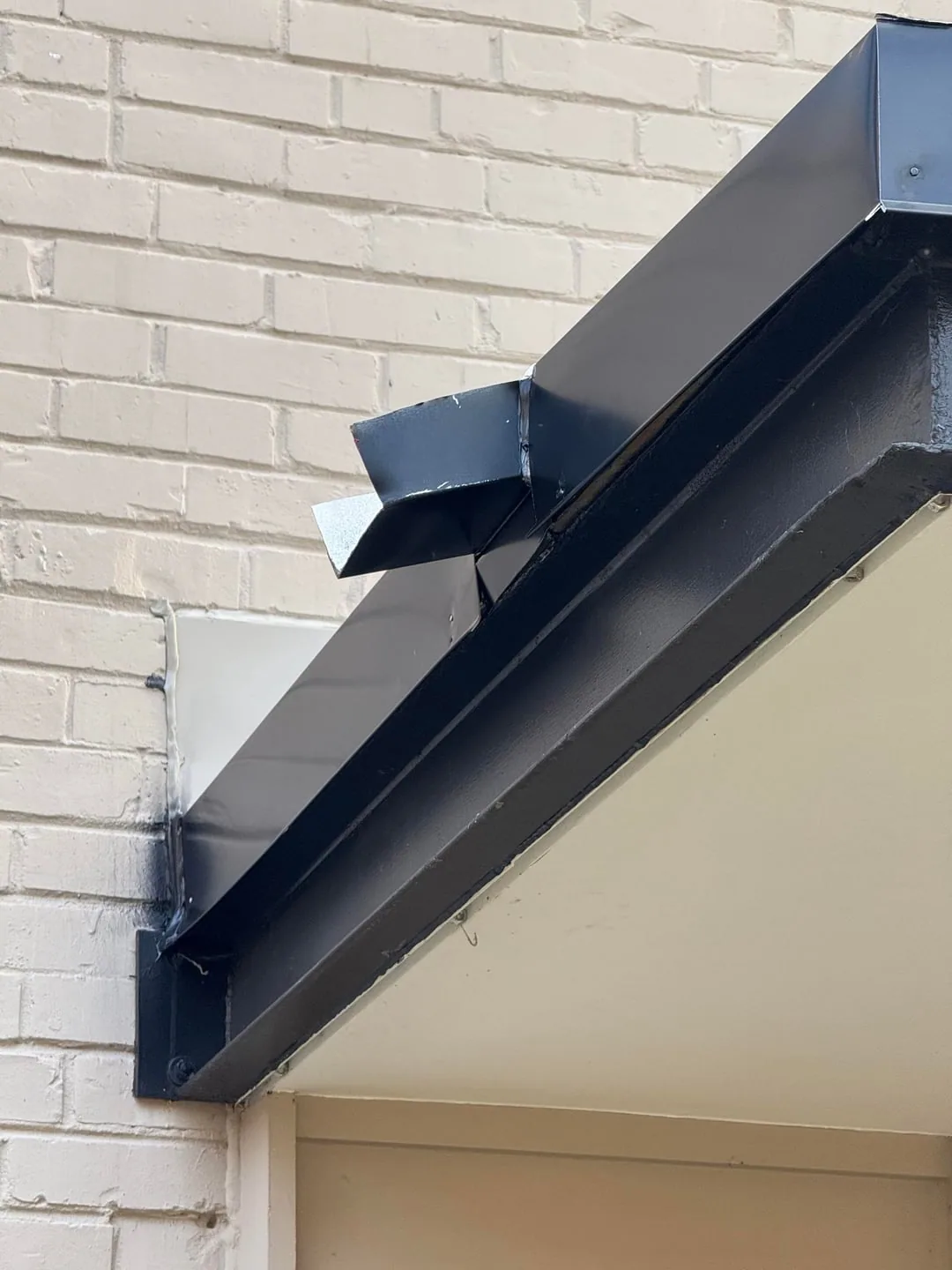
The record starts with photographs taken before cleanup, labeled by roof area and tied to a simple plan of the roof. We add a written description of each defect in plain language: what it is, where it sits, what the evidence suggests about the cause, and what it affects below. If a limb lies on the membrane, the photograph shows the limb, the contact point and the tear.
Measured quantities come next. We record the square footage of membrane damage, the linear feet of edge metal, the number of fasteners, penetrations and drains involved, and the thickness of insulation that has gotten wet. Moisture findings from a handheld meter or an infrared scan are included when water has entered, since wet insulation is often the largest part of the repair cost.
Finally, the temporary work is documented: the materials, the labor and the date. Emergency measures that stopped further loss belong in the file, and receipts are kept together with it.
How do we separate storm damage from wear?
An adjuster wants to know what the storm did and what was already there. A good roof file answers both. Fresh damage tends to show clean edges, direction, and debris in the area. Old wear shows as weathering, dirt in the crack, sealant that has hardened, or corrosion on fasteners.
We write down both and keep them apart. A roof with long-standing ponding and a new puncture has two problems, and listing them separately keeps the claim accurate and protects the owner from disputes about prior condition. If a scan, a core or an earlier report exists, it goes into the file as context for the roof's condition on the day of the loss. Roof condition reports from before the event are the strongest evidence of what the roof looked like.
The same discipline applies after a wind event. In November 2024 a bomb cyclone blew 74 mph winds through Enumclaw, and a roof elsewhere in the region that lost edge metal that month should have its failure traced to the fastening, the substrate or the metal itself, so the repair addresses the real cause.
How is the repair scope written?
The scope is written as a contractor would build the work: tear-off limits, dry-in method, materials, tie-ins and closeout. We separate the permanent repair from the temporary measures and from any code-driven upgrades. Under the 2021 International Building Code and its Washington amendments, a repair may have to include extra work, such as insulation levels under the commercial energy code or edge securement.
When the adjuster's scope and ours differ, the difference is usually a line item. We lay out the extra insulation, the added flashing, the access equipment or the code-required upgrade and explain why the work is required. We keep to the roof facts and leave coverage questions to the owner and the carrier.
For storm repairs that need an immediate response, storm damage roof repair starts with the temporary seal while the claim file is assembled. For a leak with an unclear origin, a leak investigation gives the claim file its cause.
What happens when the adjuster visits?
We ask for the visit date as early as possible and arrange roof access, a ladder or lift, and a crew leader to escort. The crew leader walks the adjuster through the photo log first, then across the roof to the damaged areas, and answers technical questions about the system, the repair method and the code. The owner or property manager attends where possible.
After the visit we reconcile any differences in measurements and photographs. If the adjuster finds something we missed, we add it to the file. If we see something they did not mark, we show it on the roof. The aim is a complete record, not a contest.
Owners with several buildings, such as a retail group with strips along Pacific Highway South or a logistics operator with Kent Valley warehouses, benefit from one format across every loss. A standard file for insurance restoration keeps every loss readable the same way.
Where does our role stop?
We are a roofing contractor. We document the roof, price the repair, and perform the work. We are not a public adjuster or an attorney, and we do not advise on coverage, deductibles or policy language. If the owner wants advice on those points, a licensed professional is the right call.
We also do not promise a claim outcome. What we can promise is a complete, accurate roof record and a repair that is built to the manufacturer's detail, so that any warranty on the roof stays intact after the work. Warranty questions are handled through roof warranty management.
What the owner decides is which findings to submit and when; what the crew leader supplies is the roof record that those decisions rest on.
Commercial Roofing Questions
What photos should I take before the roofer arrives?
Take wide shots of the roof edge and each damaged area from the ground or a safe position, and photograph interior damage such as stained ceiling tiles and wet insulation. Do not climb onto a wet or damaged roof. Date stamps matter, so leave the camera settings alone. When our crew arrives it takes the close-up and measured photographs, and your images add to that file.
Will the contractor's estimate match what the insurer pays?
Not always. The two documents answer different questions, since ours prices the repair as it would be built and the adjuster's follows the policy. When a gap appears, it is usually in access costs, code-driven items or wet insulation. We itemize those so the owner and the carrier can see exactly where the numbers differ.
How long should I wait before starting repairs on a claimed roof?
Stop the water first, without waiting. A temporary seal limits further loss and is generally expected of the owner. Permanent repairs usually wait until the file is complete and the carrier has had a chance to inspect. We hold the damaged materials and photographs until the adjuster has seen them.
Can you help with a claim on a roof that was already worn?
Yes, by recording exactly which damage is new and which is wear. Insurers often treat the two differently, and a clear separation helps the owner understand what a claim can reasonably cover. A pre-loss report or moisture survey, if one exists, supports that separation.
What if a tenant's HVAC contractor caused the damage?
We document the damage and the cause in the same way, including photographs of the equipment, the foot traffic and the puncture. The owner and the tenant then sort out responsibility under their lease. We stay on the roof facts and supply the repair scope.
Send the photos and the loss date
Send the roof plan, the date of the loss and whatever photographs you have. We will schedule the walk, build the damage record and have the repair scope ready before the adjuster arrives.